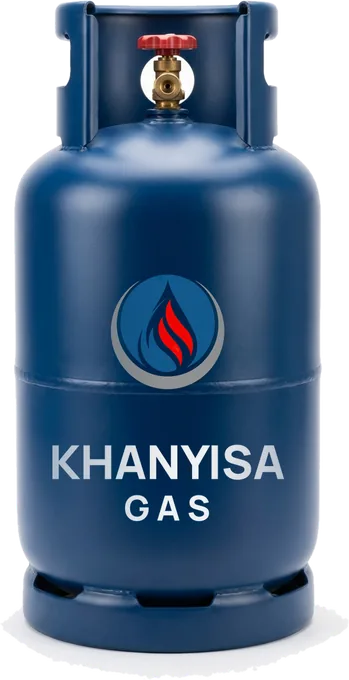
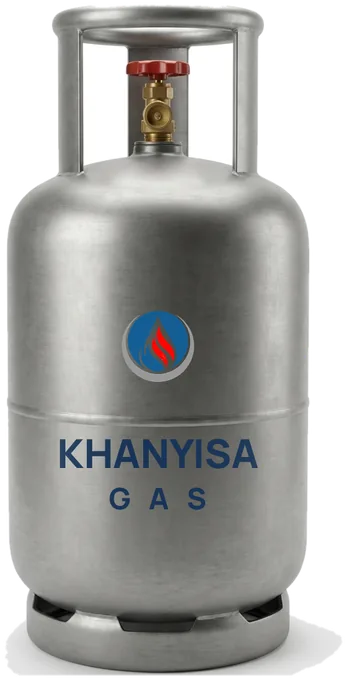
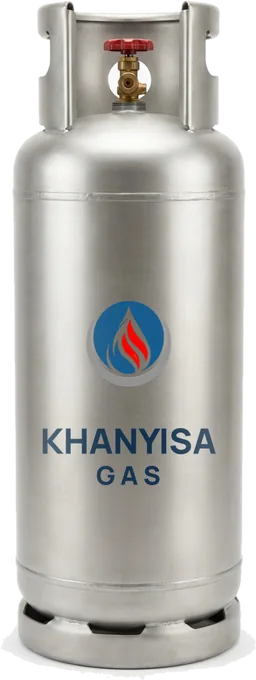
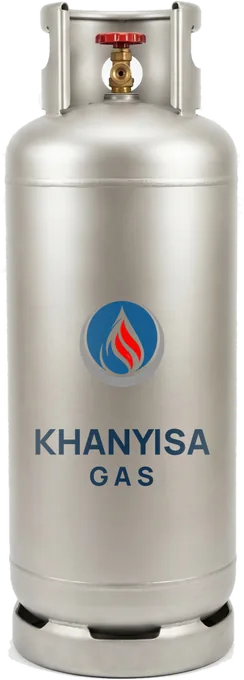
We carry 5kg, 9kg, 14kg, 19kg and 48kg. This page explains what each size suits, the difference between a refill and an exchange, and roughly how long a cylinder lasts.
The gas inside every cylinder is the same LP Gas. The only real decision is how much of it you want to carry home at a time, and how often you are willing to reorder.
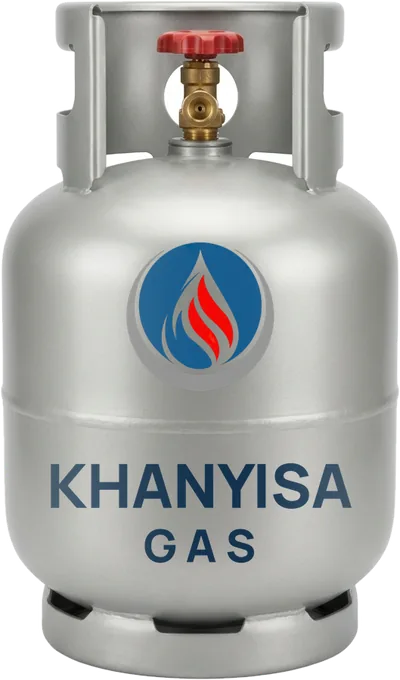
Camping, a caravan, a small patio burner, or a spare kept aside so a power cut never stops supper. Light enough to carry in one hand and to refill often.
What most South African homes run on a gas hob or a two-plate. The usual setup is one on the go and one spare, so you are never caught out mid-cooking.
A step up for a family cooking three meals a day, or a home that runs a gas heater through winter and would rather not order every few weeks.
Long gas heater runs, a busy kitchen, a guesthouse or a small takeaway. Our most popular size for anyone whose gas is doing real work every day.
Restaurants, bakeries, salons, guesthouses and light industrial use. Ask about a standing delivery so the kitchen never goes down in the middle of service.
People use the words interchangeably, but they are different transactions and one is faster than the other.
You hand over your empty cylinder and walk away with a different one that we have already filled, weighed and checked. It takes a minute, because the work happened before you arrived. This is what most customers do, and it is what our delivery drivers bring to your door.
We put gas back into the exact cylinder you brought and you leave with the same one. Slower, because you wait for the fill, but it is the right choice if the cylinder is your own, if it is a size we do not hold for exchange, or if you simply want yours back.
If you have no strong feeling about the physical bottle, ask for an exchange — it is quicker and it is the only option on a delivery. Ask for a refill when the cylinder matters to you. Either way, message us and say which you want.
If you have never bought gas before there is no empty to hand in, so the first purchase includes the cylinder itself as well as the gas in it. After that every order is just the gas. Message the branch nearest you and we will explain what that first one costs.
The honest answer is that it depends entirely on how much you cook. The arithmetic below gets you closer than a guess. Once you have chosen a size, the safety guide covers connecting and storing it.
A typical domestic gas burner draws somewhere around two kilowatts, and LP Gas carries roughly 13.8 kilowatt-hours per kilogram. That works out to about 150 grams an hour per burner, so a two-plate going flat out uses in the region of 300 grams an hour.
Nine kilograms at roughly 250 grams an hour is somewhere near 35 hours of actual cooking. A household cooking about an hour a day would get somewhere in the region of a month out of it. Cook more, or run a gas heater as well, and it goes considerably faster.
Burner sizes vary, flames are rarely on full, and heaters use far more than hobs. Use the numbers to choose between a 9kg and a 19kg, not to predict the day you will run out.
Nobody can tell you the hour a cylinder will die, and it is always mid-meal. A second smaller cylinder standing by costs less than an evening of takeaways and removes the problem permanently.